
Business Jargon, the Christmas bike and the death of any communication
It’s an increasingly common issue: the desire to prove one’s knowledge on a topic at all costs. It’s not an issue in itself; the problem is that it often manifests itself through using complex words and complicating the way we communicate and present, especially in business.
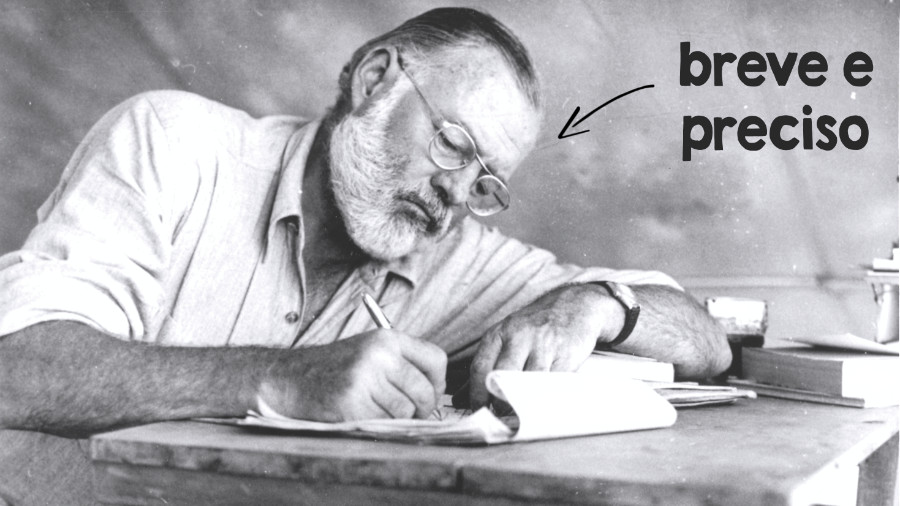
Jargon, that’s the name of the original sin of every speaker: technical, cold, sterile terms. We reduce ourselves to this when we want to demonstrate our expertise. On one hand, it’s a habit; on the other, it’s the security blanket of those who don’t prepare or adapt their language to the audience. Simplifying is costly, and only some are willing to do it. It requires time, patience, and effort to reduce our knowledge to an understandable form, even to non-experts. We aim to make ourselves understood, not prove how good we are.
Many speakers forget this and turn meetings, discussions, and presentations into a concentration of technical terms and big words with only one effect: they kill communication because they remove the essential aspect – emotions.
If a child doesn’t get the bicycle they’ve been longing for on Christmas day, they don’t say, “I didn’t achieve the targets of my holiday objectives.” They say, “Darn it, I didn’t get the bike.”
It may seem like a paradoxical example, but it happens every day in our lives: we complicate things to demonstrate our knowledge when we should simplify and add emotions to show how much we care about that message, how much passion is behind what we know, and above all, why we want to communicate it to others.
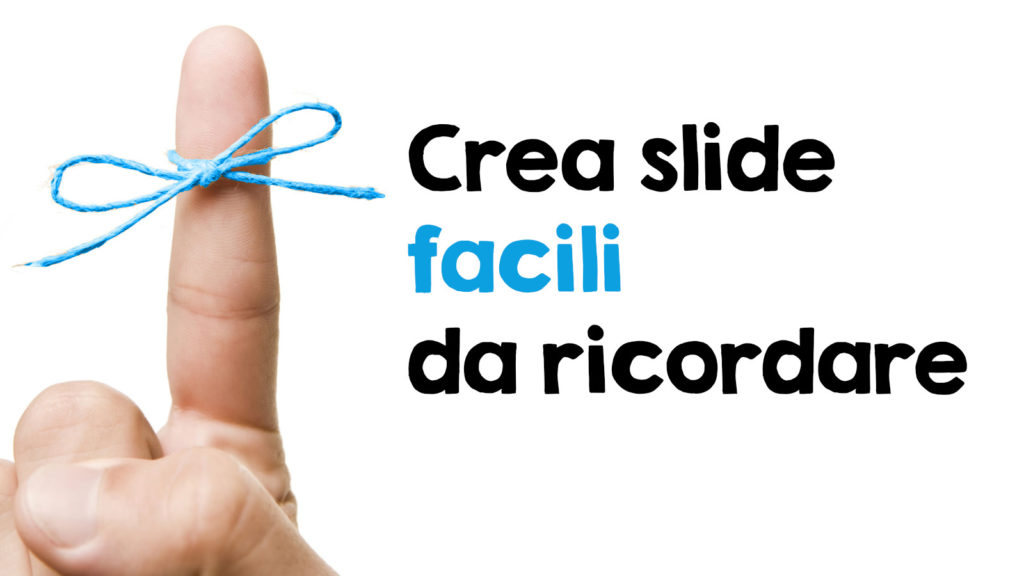
In the next presentation, leave the corporate jargon on your desk: simplify your message and words, show your more human side, and communicate for real.

Lascia un commento